Domain speisenatron.de kaufen?
Wir ziehen mit dem Projekt
speisenatron.de um.
Sind Sie am Kauf der Domain
speisenatron.de interessiert?
domain@kv-gmbh.de · 0541-91531010
Domain speisenatron.de kaufen?
Wie berechne ich den Meterpreis?
Der Meterpreis wird berechnet, indem der Gesamtpreis eines Produkts durch die Länge in Metern geteilt wird. Zum Beispiel, wenn ein Stoff 10 Euro kostet und eine Länge von 2 Metern hat, beträgt der Meterpreis 5 Euro. **
Wie berechnet man den Meterpreis aus dem Stückpreis?
Um den Meterpreis aus dem Stückpreis zu berechnen, muss man den Stückpreis durch die Länge des Stücks teilen. Das Ergebnis ist dann der Meterpreis. **

Ähnliche Suchbegriffe für Meterpreis
Top-Angebote
Produkte zum Begriff Meterpreis:
-
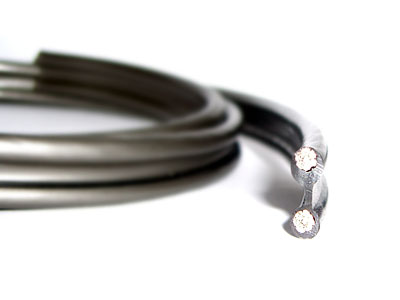
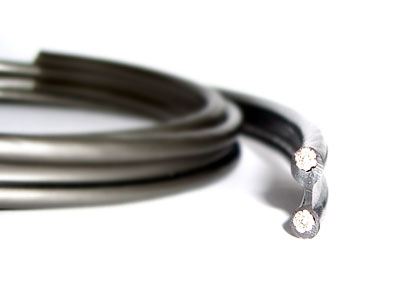
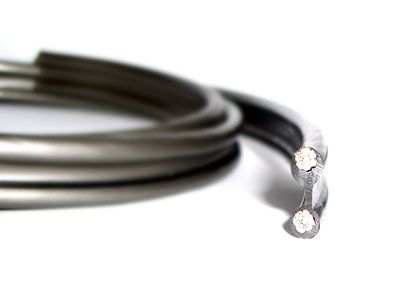
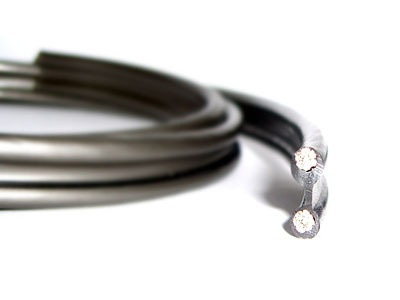
Audioquest Audioquest Rocket 11 - weiss - MeterpreisAudioquest Rocket 11 Rocket 11 is a high-performance, low-noise, CL3/FT4-certified cable designed to quickly and easily accommodate either Full-Range or Single-BiWire applications, making it an outstanding choice for custom installers and enthusiasts alike. With no breakouts, pants, or braids to cut back and dress, preparation is as simple as can be. AudioQuest SureGrip 100 or SureGrip 300 spades or bananas, featuring Direct-Silver plating with no intermediate layer of distortion-causing nickel, are the perfect complement to Rocket 11. Rocket 11 is CL3/FT4-certified. SEMI-SOLID CONCENTRIC PACKED LONG-GRAIN COPPER (LGC) CONDUCTORS In a conventional multi-strand cable, distortion caused by electrical and magnetic strand interaction is compounded as each strand changes position within the bundle. In an AQ Semi-Solid Concentric Packed cable, strands within the bundle maintain their fixed relationships, significantly reducing distortion. SEMI-SOLID TRUE-CONCENTRIC CONDUCTOR DESIGN In a True-Concentric conductor design, each successive layer of stranded conductor spirals in the direction opposite of its underlying layer. This technique eliminates the lines of contact between adjacent conductor layers, while increasing pressure at the contact points, thereby significantly reducing electrical-contact strand interaction and its accompanying distortion. IDEAL FOR FULL-RANGE OR SINGLE-BIWIRE CONFIGURATIONS Use Rocket 11 as a full-range cable, with red (+) and black (-) conductors grouped together, or, when the speakers provide separate bass and treble inputs, further optimize system performance by biwiring. DOUBLE LOW-INDUCTANCE TWISTED PAIR GEOMETRY A typical speaker cable with parallel conductors has fairly high inductance, smearing energy across time, which results in sound that is dull and unfocused. In Rocket 11, the two conductors in each half of the cable are twisted around one another, providing lower inductance, greater clarity, and superior bass-to-treble frequency extension Lautsprecherkabel, Audioquest Rocket 1120,00 €*Versand: 0,00 €Sichere Weiterleitung zum Anbieter
-
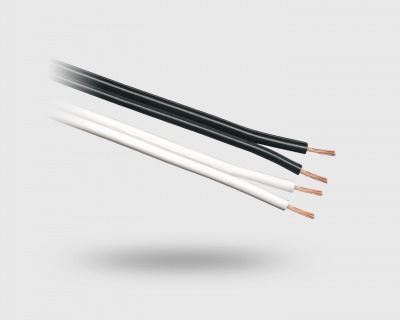
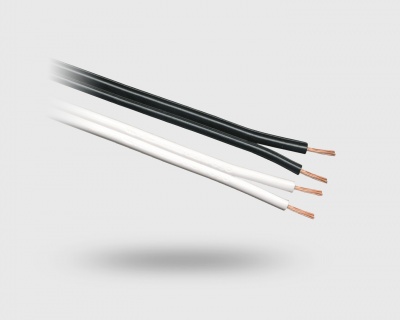
QED QED - Profile 42 strand - schwarz - MeterpreisQED Profile 42 Strand - 2x0,75mm - Lautsprecherkabel Das als Industriestandard geltende QED 42 Strand Lautsprecherkabel. Technische Daten: -Kabelquerschnitt: 0,75mm² -Aufbau in Form einer 8 -In schwarz oder weiß lieferbar -PVC-Dielektrikum -Stecker-Außendurchmesser: 2,7mm -Schleifenwiderstand: 0,046 Ω/m -Kapazität: 49 pF/m -Induktivität: 0,75 μH/m -Verlustfaktor: 0,0500 Lautsprecherkabel, QED Profile 42 strand1,60 €*Versand: 0,00 €Sichere Weiterleitung zum Anbieter

-
Wie kann man den Stückpreis in einen Meterpreis umrechnen?
Um den Stückpreis in einen Meterpreis umzurechnen, muss man wissen, wie viele Meter in einem Stück enthalten sind. Dann teilt man den Stückpreis durch die Anzahl der Meter und erhält den Meterpreis. Beispiel: Wenn ein Stück 2 Meter lang ist und 10 Euro kostet, beträgt der Meterpreis 10 Euro geteilt durch 2 Meter, also 5 Euro pro Meter. **
-
Wie kann man den Kilopreis in den Meterpreis umrechnen?
Um den Kilopreis in den Meterpreis umzurechnen, muss man zunächst wissen, wie viele Meter in einem Kilogramm enthalten sind. Wenn man das Verhältnis kennt, kann man den Kilopreis durch die Anzahl der Meter teilen, um den Meterpreis zu erhalten. Zum Beispiel, wenn der Kilopreis 10 Euro beträgt und in einem Kilogramm 5 Meter enthalten sind, beträgt der Meterpreis 2 Euro. **
-
Statt Natron Backpulver verwenden?
Ja, in den meisten Rezepten kann man anstelle von Natron auch Backpulver verwenden. Backpulver enthält bereits Natron, aber auch Säure, die beim Backen freigesetzt wird und den Teig aufgehen lässt. Wenn du Natron durch Backpulver ersetzt, musst du jedoch die Mengen entsprechend anpassen, da Backpulver bereits Säure enthält. **
-
Wie viel Natron statt Backpulver?
Die Menge an Natron, die du anstelle von Backpulver verwenden solltest, hängt von dem Rezept ab, das du zubereitest. Im Allgemeinen kannst du für 1 Teelöffel Backpulver etwa 1/4 Teelöffel Natron verwenden. Natron ist jedoch stärker als Backpulver, daher solltest du die Menge entsprechend anpassen. Es ist auch wichtig zu beachten, dass Natron alleine nicht ausreicht, um den gleichen Effekt wie Backpulver zu erzielen, da Backpulver auch Säure enthält, die beim Backen freigesetzt wird. Daher solltest du möglicherweise auch eine saure Zutat wie Essig oder Joghurt hinzufügen, um das gewünschte Ergebnis zu erzielen. Es ist ratsam, mit kleinen Mengen zu beginnen und das Rezept entsprechend anzupassen, um sicherzustellen, dass dein Gebäck richtig aufgeht und die gewünschte Konsistenz hat. **
Wie viel Backpulver statt Natron?
Wie viel Backpulver statt Natron? Wenn du Natron durch Backpulver ersetzen möchtest, musst du die Menge anpassen. Im Allgemeinen kannst du für 1 Teelöffel Natron etwa 3 Teelöffel Backpulver verwenden. Dies liegt daran, dass Backpulver bereits Säure enthält, während Natron allein basisch ist. Stelle sicher, dass du die anderen Zutaten im Rezept entsprechend anpasst, um das beste Ergebnis zu erzielen. Experimentiere ein wenig, um die perfekte Menge an Backpulver für deine spezielle Backkreation zu finden. **
Geht Backpulver anstelle von Natron?
Ja, in vielen Rezepten kann Backpulver anstelle von Natron verwendet werden. Backpulver enthält bereits Natron, aber auch Säure, die beim Backen freigesetzt wird und den Teig aufgehen lässt. Wenn ein Rezept jedoch speziell Natron erfordert, kann Backpulver nicht als Ersatz verwendet werden. **
Top-Angebote
Produkte zum Begriff Meterpreis:
-
Audioquest Audioquest Rocket 11 - schwarz - MeterpreisAudioquest Rocket 11 Rocket 11 is a high-performance, low-noise, CL3/FT4-certified cable designed to quickly and easily accommodate either Full-Range or Single-BiWire applications, making it an outstanding choice for custom installers and enthusiasts alike. With no breakouts, pants, or braids to cut back and dress, preparation is as simple as can be. AudioQuest SureGrip 100 or SureGrip 300 spades or bananas, featuring Direct-Silver plating with no intermediate layer of distortion-causing nickel, are the perfect complement to Rocket 11. Rocket 11 is CL3/FT4-certified. SEMI-SOLID CONCENTRIC PACKED LONG-GRAIN COPPER (LGC) CONDUCTORS In a conventional multi-strand cable, distortion caused by electrical and magnetic strand interaction is compounded as each strand changes position within the bundle. In an AQ Semi-Solid Concentric Packed cable, strands within the bundle maintain their fixed relationships, significantly reducing distortion. SEMI-SOLID TRUE-CONCENTRIC CONDUCTOR DESIGN In a True-Concentric conductor design, each successive layer of stranded conductor spirals in the direction opposite of its underlying layer. This technique eliminates the lines of contact between adjacent conductor layers, while increasing pressure at the contact points, thereby significantly reducing electrical-contact strand interaction and its accompanying distortion. IDEAL FOR FULL-RANGE OR SINGLE-BIWIRE CONFIGURATIONS Use Rocket 11 as a full-range cable, with red (+) and black (-) conductors grouped together, or, when the speakers provide separate bass and treble inputs, further optimize system performance by biwiring. DOUBLE LOW-INDUCTANCE TWISTED PAIR GEOMETRY A typical speaker cable with parallel conductors has fairly high inductance, smearing energy across time, which results in sound that is dull and unfocused. In Rocket 11, the two conductors in each half of the cable are twisted around one another, providing lower inductance, greater clarity, and superior bass-to-treble frequency extension Lautsprecherkabel, Audioquest Rocket 1120,00 €*Versand: 0,00 €Sichere Weiterleitung zum Anbieter
-
Audioquest Audioquest Rocket 11 - weiss - MeterpreisAudioquest Rocket 11 Rocket 11 is a high-performance, low-noise, CL3/FT4-certified cable designed to quickly and easily accommodate either Full-Range or Single-BiWire applications, making it an outstanding choice for custom installers and enthusiasts alike. With no breakouts, pants, or braids to cut back and dress, preparation is as simple as can be. AudioQuest SureGrip 100 or SureGrip 300 spades or bananas, featuring Direct-Silver plating with no intermediate layer of distortion-causing nickel, are the perfect complement to Rocket 11. Rocket 11 is CL3/FT4-certified. SEMI-SOLID CONCENTRIC PACKED LONG-GRAIN COPPER (LGC) CONDUCTORS In a conventional multi-strand cable, distortion caused by electrical and magnetic strand interaction is compounded as each strand changes position within the bundle. In an AQ Semi-Solid Concentric Packed cable, strands within the bundle maintain their fixed relationships, significantly reducing distortion. SEMI-SOLID TRUE-CONCENTRIC CONDUCTOR DESIGN In a True-Concentric conductor design, each successive layer of stranded conductor spirals in the direction opposite of its underlying layer. This technique eliminates the lines of contact between adjacent conductor layers, while increasing pressure at the contact points, thereby significantly reducing electrical-contact strand interaction and its accompanying distortion. IDEAL FOR FULL-RANGE OR SINGLE-BIWIRE CONFIGURATIONS Use Rocket 11 as a full-range cable, with red (+) and black (-) conductors grouped together, or, when the speakers provide separate bass and treble inputs, further optimize system performance by biwiring. DOUBLE LOW-INDUCTANCE TWISTED PAIR GEOMETRY A typical speaker cable with parallel conductors has fairly high inductance, smearing energy across time, which results in sound that is dull and unfocused. In Rocket 11, the two conductors in each half of the cable are twisted around one another, providing lower inductance, greater clarity, and superior bass-to-treble frequency extension Lautsprecherkabel, Audioquest Rocket 1120,00 €*Versand: 0,00 €Sichere Weiterleitung zum Anbieter
-
QED QED - Profile 42 strand - schwarz - MeterpreisQED Profile 42 Strand - 2x0,75mm - Lautsprecherkabel Das als Industriestandard geltende QED 42 Strand Lautsprecherkabel. Technische Daten: -Kabelquerschnitt: 0,75mm² -Aufbau in Form einer 8 -In schwarz oder weiß lieferbar -PVC-Dielektrikum -Stecker-Außendurchmesser: 2,7mm -Schleifenwiderstand: 0,046 Ω/m -Kapazität: 49 pF/m -Induktivität: 0,75 μH/m -Verlustfaktor: 0,0500 Lautsprecherkabel, QED Profile 42 strand1,60 €*Versand: 0,00 €Sichere Weiterleitung zum Anbieter
-
Wie berechne ich den Meterpreis?
Der Meterpreis wird berechnet, indem der Gesamtpreis eines Produkts durch die Länge in Metern geteilt wird. Zum Beispiel, wenn ein Stoff 10 Euro kostet und eine Länge von 2 Metern hat, beträgt der Meterpreis 5 Euro. **
-
Wie berechnet man den Meterpreis aus dem Stückpreis?
Um den Meterpreis aus dem Stückpreis zu berechnen, muss man den Stückpreis durch die Länge des Stücks teilen. Das Ergebnis ist dann der Meterpreis. **
-
Wie kann man den Stückpreis in einen Meterpreis umrechnen?
Um den Stückpreis in einen Meterpreis umzurechnen, muss man wissen, wie viele Meter in einem Stück enthalten sind. Dann teilt man den Stückpreis durch die Anzahl der Meter und erhält den Meterpreis. Beispiel: Wenn ein Stück 2 Meter lang ist und 10 Euro kostet, beträgt der Meterpreis 10 Euro geteilt durch 2 Meter, also 5 Euro pro Meter. **
-
Wie kann man den Kilopreis in den Meterpreis umrechnen?
Um den Kilopreis in den Meterpreis umzurechnen, muss man zunächst wissen, wie viele Meter in einem Kilogramm enthalten sind. Wenn man das Verhältnis kennt, kann man den Kilopreis durch die Anzahl der Meter teilen, um den Meterpreis zu erhalten. Zum Beispiel, wenn der Kilopreis 10 Euro beträgt und in einem Kilogramm 5 Meter enthalten sind, beträgt der Meterpreis 2 Euro. **
Ähnliche Suchbegriffe für Meterpreis
-
QED QED - Profile 42 strand - weiss - MeterpreisQED Profile 42 Strand - 2x0,75mm - Lautsprecherkabel Das als Industriestandard geltende QED 42 Strand Lautsprecherkabel. Technische Daten: -Kabelquerschnitt: 0,75mm² -Aufbau in Form einer 8 -In schwarz oder weiß lieferbar -PVC-Dielektrikum -Stecker-Außendurchmesser: 2,7mm -Schleifenwiderstand: 0,046 Ω/m -Kapazität: 49 pF/m -Induktivität: 0,75 μH/m -Verlustfaktor: 0,0500 Lautsprecherkabel, QED Profile 42 strand1,60 €*Versand: 0,00 €Sichere Weiterleitung zum Anbieter
-
Statt Natron Backpulver verwenden?
Ja, in den meisten Rezepten kann man anstelle von Natron auch Backpulver verwenden. Backpulver enthält bereits Natron, aber auch Säure, die beim Backen freigesetzt wird und den Teig aufgehen lässt. Wenn du Natron durch Backpulver ersetzt, musst du jedoch die Mengen entsprechend anpassen, da Backpulver bereits Säure enthält. **
-
Wie viel Natron statt Backpulver?
Die Menge an Natron, die du anstelle von Backpulver verwenden solltest, hängt von dem Rezept ab, das du zubereitest. Im Allgemeinen kannst du für 1 Teelöffel Backpulver etwa 1/4 Teelöffel Natron verwenden. Natron ist jedoch stärker als Backpulver, daher solltest du die Menge entsprechend anpassen. Es ist auch wichtig zu beachten, dass Natron alleine nicht ausreicht, um den gleichen Effekt wie Backpulver zu erzielen, da Backpulver auch Säure enthält, die beim Backen freigesetzt wird. Daher solltest du möglicherweise auch eine saure Zutat wie Essig oder Joghurt hinzufügen, um das gewünschte Ergebnis zu erzielen. Es ist ratsam, mit kleinen Mengen zu beginnen und das Rezept entsprechend anzupassen, um sicherzustellen, dass dein Gebäck richtig aufgeht und die gewünschte Konsistenz hat. **
-
Wie viel Backpulver statt Natron?
Wie viel Backpulver statt Natron? Wenn du Natron durch Backpulver ersetzen möchtest, musst du die Menge anpassen. Im Allgemeinen kannst du für 1 Teelöffel Natron etwa 3 Teelöffel Backpulver verwenden. Dies liegt daran, dass Backpulver bereits Säure enthält, während Natron allein basisch ist. Stelle sicher, dass du die anderen Zutaten im Rezept entsprechend anpasst, um das beste Ergebnis zu erzielen. Experimentiere ein wenig, um die perfekte Menge an Backpulver für deine spezielle Backkreation zu finden. **
-
Geht Backpulver anstelle von Natron?
Ja, in vielen Rezepten kann Backpulver anstelle von Natron verwendet werden. Backpulver enthält bereits Natron, aber auch Säure, die beim Backen freigesetzt wird und den Teig aufgehen lässt. Wenn ein Rezept jedoch speziell Natron erfordert, kann Backpulver nicht als Ersatz verwendet werden. **
* Alle Preise verstehen sich inklusive der gesetzlichen Mehrwertsteuer und ggf. zuzüglich Versandkosten. Die Angebotsinformationen basieren auf den Angaben des jeweiligen Shops und werden über automatisierte Prozesse aktualisiert. Eine Aktualisierung in Echtzeit findet nicht statt, so dass es im Einzelfall zu Abweichungen kommen kann. ** Hinweis: Teile dieses Inhalts wurden von KI erstellt.